What Is Safer Gambling? A Clear Definition
Safer gambling is an approach to wagering that prioritises informed decisions, pre-set limits, and awareness of your own behaviour. It sits at the centre of UK gambling regulation and is a shared responsibility between players, operators, and regulators.
The core principles of safer gambling are:
- Set a budget before you play and treat it as the cost of entertainment.
- Decide on a time limit in advance and stick to it.
- Never chase losses. Each session is independent.
- Use the tools your casino provides, including deposit limits and reality checks.
- Balance gambling with other social activities.
- Avoid gambling under stress, alcohol, or emotional pressure.
- Self-assess regularly using the GamCare self-assessment tool.
Why Is Safer Gambling Important? Understanding the Risks
Safer gambling protects players from financial harm, addiction, and the relationship damage that problem gambling causes. For most players it remains entertainment, but a minority develop patterns that escalate without warning.
Risky Gambling | Safer Gambling |
|---|---|
No pre-set budget | Budget agreed before playing |
Chasing losses | Accepting losses as the cost of play |
No time limits | Session limit set in advance |
Ignoring urges to increase stakes | Using deposit limits to enforce discipline |
Gambling to escape stress | Gambling as scheduled entertainment only |
The Hidden Costs of Problem Gambling
When gambling becomes harmful, the effects extend beyond finances:
- Financial: debt, missed bills, damaged credit rating.
- Emotional: anxiety, depression, shame, and difficulty concentrating.
- Social: withdrawal from relationships, conflict with family, job loss.
- Physical: disrupted sleep, neglect of health, and in severe cases, crisis.
7 Key Principles of Safer Gambling (With Actionable Tips)
Safer gambling rests on seven practical rules that any player can follow, regardless of experience level.
- Set a budget before you play. Decide the maximum you are prepared to lose and treat it as entertainment spend, not an investment.
- Use a time limit. Agree in advance how long you will play. Set a phone alarm if needed.
- Never chase losses. A loss is the cost of a session. Increasing stakes to recover losses is the most common path to problem gambling.
- Use casino safety tools. Deposit limits, reality checks, and session limits are free and available on all UK-licensed platforms.
- Take regular breaks. Step away from the screen at least once per hour. Physical distance breaks the dopamine loop.
- Avoid gambling under the influence. Alcohol and stress impair judgement. Both increase the likelihood of poor decisions.
- Self-assess regularly. The GamCare self-assessment takes under two minutes and gives a realistic picture of your current gambling patterns.
Essential Safer Gambling Tools You Can Use Today
Casinos and regulators provide free tools to help you stay in control. All of the following are available on every UK Gambling Commission (UKGC)-licensed platform.
Tool | How It Works | Where to Find It |
|---|---|---|
Deposit limits | Caps how much you can add per day, week, or month | Account settings, responsible gambling section |
Session limits | Logs you out automatically when the time limit is reached | Account settings |
Reality checks | Pop-up alerts at set intervals showing session duration and net win/loss | Account settings |
Cool-off periods | Short voluntary breaks of 24 hours to 6 weeks | Responsible gambling section |
Self-exclusion | Voluntary ban from 6 months to permanent | Responsible gambling section or via GamStop |
Loss limits | Caps net losses within a set period | Account settings (not all operators) |
How to Set Deposit Limits | Step by Step
- Log into your casino account.
- Navigate to the responsible gambling or account settings section.
- Choose your limit period: daily, weekly, or monthly.
- Enter your chosen amount and confirm.
- The limit applies immediately. Any increase requires a cooling-off period of 24 to 72 hours depending on the operator.
Full guidance on how deposit limits work and when to use them is in our dedicated guide.
Time-Outs and Self-Exclusion | What Is the Difference?
A time-out is a short voluntary break, typically from 24 hours to 6 weeks. Your account is paused, but it reopens automatically when the period ends. A self-exclusion is a longer commitment, minimum 6 months, and reopening requires a manual request after a further cooling-off period.
Feature | Time-Out | Self-Exclusion |
|---|---|---|
Duration | 24 hours to 6 weeks | 6 months to permanent |
Reopens automatically | Yes | No |
Covers all UK operators | No | Yes, via GamStop |
Marketing communications stopped | Yes | Yes |
The time-outs and self-exclusion guide explains how to apply for both and what to expect during the exclusion period. For a lighter-touch approach, reality checks and session limits provide earlier intervention options.
Recognising the Signs That Gambling Is No Longer Safer
You can identify unsafe gambling early through changes in behaviour, thought patterns, or emotional state. Watch for:
- Lying to family or friends about how much or how often you gamble.
- Borrowing money or selling possessions to fund gambling.
- Gambling to escape stress, anxiety, or low mood.
- Chasing losses by increasing stakes or extending sessions.
- Missing work, social events, or responsibilities because of gambling.
- Feeling anxious, irritable, or preoccupied when not gambling.
One warning sign is worth taking seriously. Multiple signs indicate it is time to act. A full breakdown of signs of gambling addiction and how to respond is available in our comprehensive guide. Understanding which types of gamblers are most at risk can also help with early identification.
The Psychology Behind Gambling Addiction (And How to Counter It)
Gambling activates the brain's reward system through dopamine release. Near-misses register as partial wins and maintain the urge to continue. The illusion of control leads players to believe skill or timing influences random outcomes.
Countering these mechanisms requires structural intervention, not just awareness. Reality checks break the dopamine loop by forcing a conscious pause. Self-exclusion removes access before the urge can be acted on. Talking to a therapist helps address the underlying beliefs that sustain the behaviour. For a deeper exploration of these mechanisms, see our guide to understanding the psychology of gambling.
How Knowing the RTP Helps You Gamble More Safely
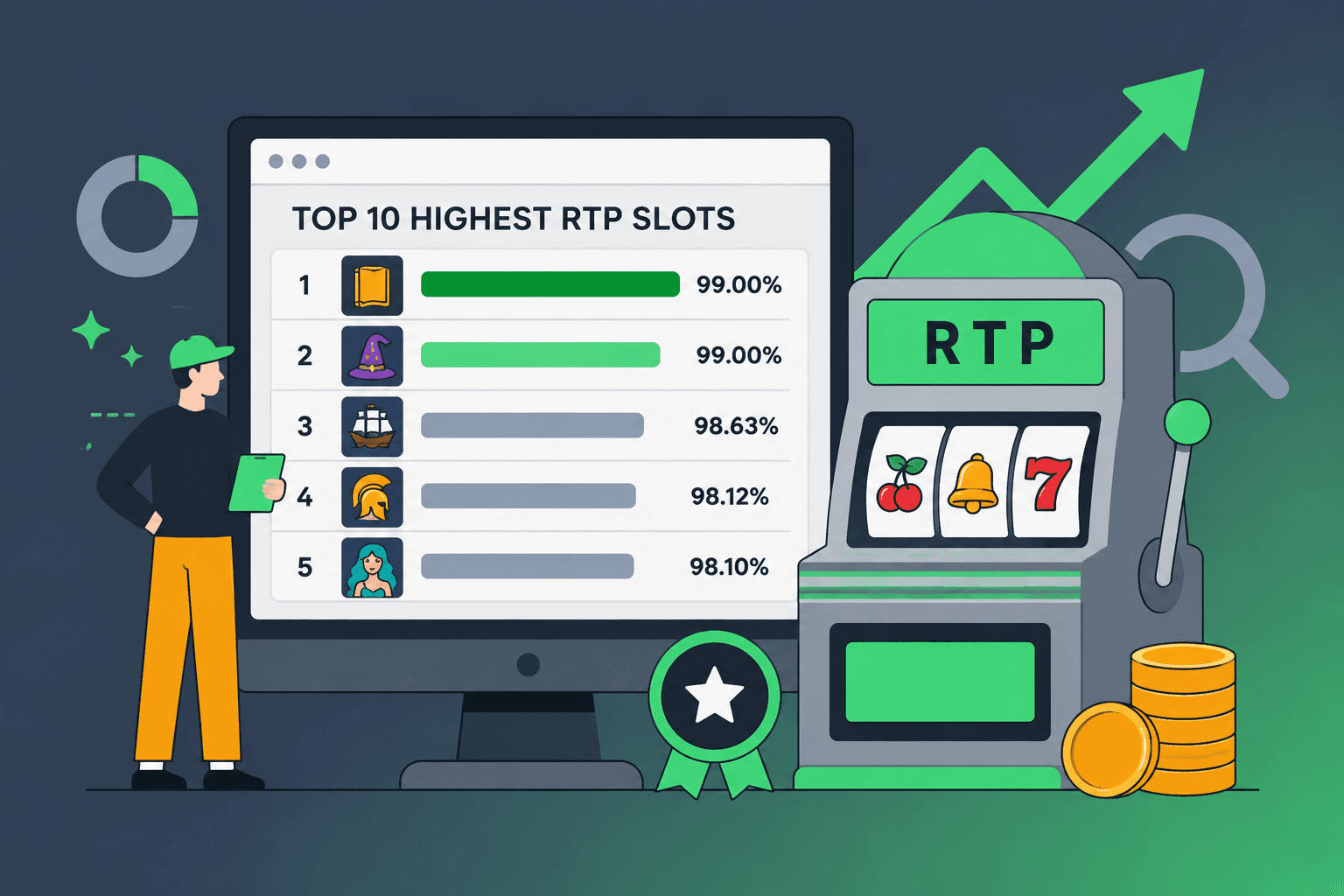
Choosing games with a higher published RTP (Return to Player) does not guarantee wins, but it helps you make informed decisions. An informed player is a safer player.
A slot with a 96.50% RTP returns more to players over time than one at 92.00%. Knowing the actual configured RTP at your casino, not just the theoretical maximum, sets realistic expectations. It reduces the chance of choosing a game that performs significantly below what is advertised. FindMyRTP scans casino lobbies to surface the real, configured RTP for each slot, which operators are not always required to display prominently.
Practical Steps to Stop Gambling When It Becomes a Problem
If you have lost control, follow these steps immediately:
- Self-exclude from all gambling accounts and register with GamStop.
- Install free blocking software such as BetBlocker.
- Tell one trusted person what is happening.
- Contact a helpline or support organisation for professional guidance.
- Speak to your bank about blocking gambling transactions.
A detailed guide to breaking the cycle of problem gambling is available in how to stop gambling and address problem gambling. If financial harm has accumulated, our guide to gambling debt solutions covers practical options for regaining control.
Where to Get Help | Trusted Safer Gambling Organisations
Free, confidential support is available 24/7 from these non-profit organisations:
Organisation | Services | Contact |
|---|---|---|
Helpline, live chat, counselling referrals | ||
Information, self-assessment, treatment referrals | ||
National self-exclusion scheme (UK-licensed operators) | ||
Peer-led 12-step recovery meetings | ||
International online support, multiple languages | ||
Residential treatment and intensive therapy |
A full breakdown of each organisation's services is in the guide to responsible gambling organisations you can turn to for help.
How to Talk to a Partner About Their Gambling Habit
Choose a calm, private moment when neither of you is stressed. Use "I" statements rather than accusations: "I have noticed you seem worried after gambling" rather than "You have a problem." Offer to find support together rather than issuing an ultimatum. Avoid paying off debts, as this can reduce the motivation to change. For more detailed guidance on supporting a partner with a gambling problem, see our guide on when your partner has a gambling addiction.
Gambling support: If gambling is affecting you or someone you know, contact GamCare or call the National Gambling Helpline — free, confidential, 24/7.
Conclusion | Safer Gambling Is About Staying in Control
Safer gambling does not restrict entertainment. It protects it. Setting limits before you play, using the tools your casino provides, and knowing where to get help if things change are the three foundations of a sustainable approach to gambling.
For a full overview of the tools, resources, and strategies available, visit the responsible gambling hub.