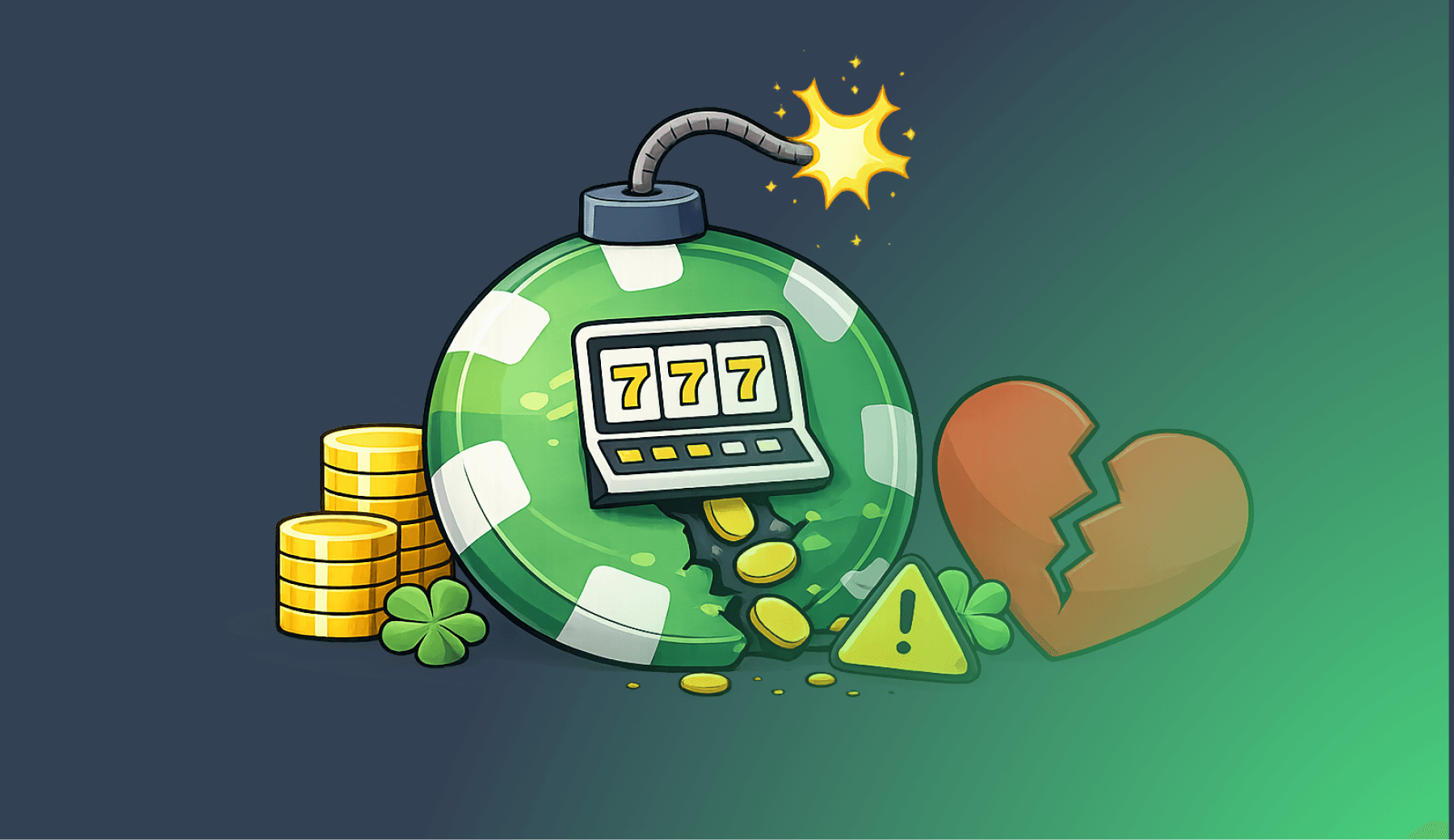
The Emotional Impact of a Partner's Gambling Addiction
When a partner is gambling problematically, the person closest to them typically experiences a distinctive combination of emotions: confusion about unexplained financial changes, betrayal when the truth emerges, and anxiety about what the situation means for the relationship and household finances. These responses are normal and deserve acknowledgement.
Coping with Stress, Anxiety, and Feelings of Betrayal
The secrecy that accompanies gambling addiction means partners often discover the problem through financial evidence rather than honest disclosure. This sequence, the discovery of debt or hidden accounts rather than a voluntary conversation, frequently produces a strong sense of betrayal even when the gambling itself is understood as an addiction rather than a choice.
Managing this requires recognising that your stress is a legitimate response to a real situation, not an overreaction. Accessing support for yourself, not just for your partner, is a necessary part of navigating the situation. Gam-Anon (gam-anon.org) runs meetings specifically for partners and family members of people with gambling problems.
Overcoming Guilt and Self-Blame
Partners of people with gambling addictions frequently ask what they could have done differently, or whether they somehow contributed to the problem. Gambling disorder is a recognised behavioural addiction with neurological, genetic, and environmental components. A partner's behaviour does not cause another person's gambling addiction and cannot cure it.
Releasing guilt is not denial. It is an accurate understanding of where responsibility lies, and it is a prerequisite for effective support.
Dealing with Isolation from Friends and Family
Problem gambling in a relationship often produces social isolation on both sides. The person gambling hides the behaviour. Their partner hides the situation to protect the relationship, or because they are ashamed, or because they cannot find the words. Both people end up carrying an increasingly heavy situation alone.
Telling one trusted person, even just a friend or family member, breaks this isolation. Support organisations such as GamCare (0808 802 0133) also provide confidential advice for partners, without requiring disclosure of any personal details about the person gambling.
What Is a Gambling Addiction? Understanding the Problem
Gambling addiction, or gambling disorder, is a recognised behavioural addiction in the DSM-5. It shares neurological features with substance addiction, including impaired impulse control and a compulsive reward-seeking cycle driven by dopamine. The person gambling is not simply making bad choices. Their brain's reward system is generating urges that override rational decision-making.
How Gambling Addiction Impacts Relationships and Finances
The behavioural consequences of gambling disorder that most directly affect relationships include financial secrecy, borrowing from family and friends, lying about the whereabouts and purpose of money, and emotional unavailability during periods of high gambling activity. Over time, trust erodes, financial security is compromised, and the relationship dynamic shifts as the non-gambling partner takes on increasing responsibility for household management.
Understanding the signs of gambling addiction can help you distinguish between isolated irresponsibility and a pattern that indicates a more serious problem.
10 Key Signs Your Partner Has a Gambling Problem
Unexplained Money Loss or Financial Secrecy
Unexplained withdrawals, missing savings, or cash that cannot be accounted for is one of the most consistent early indicators of hidden gambling. Problem gamblers typically increase financial secrecy before other signs become visible.
Defensiveness and Mood Swings Related to Gambling
A pattern of irritability after losses, euphoria after wins, and disproportionate defensiveness when gambling is raised as a topic is a recognisable behavioural signature of problem gambling.
Borrowing Money or Hiding Financial Activity
Repeated requests for money, new credit cards that appear without discussion, loans from friends or family members, and evidence of online payment accounts are all indicators of financial activity that the person is trying to conceal.
Changes in Intimacy and Communication Patterns
Problem gambling occupies cognitive and emotional space that previously belonged to the relationship. Partners often notice a gradual withdrawal from emotional intimacy and communication, alongside increasing preoccupation and distraction.
How to Help a Gambling Addict: A Step-by-Step Guide
Step 1: Communicate Openly Using Non-Confrontational Language
Choose a calm, private moment. Use "I" statements that describe your experience rather than accusations: "I have noticed money disappearing and I am worried" rather than "You have been lying to me." Your goal at this stage is to open a conversation, not to secure a confession or commitment.
Be prepared for denial. Initial denial is common in gambling addiction and does not mean the problem does not exist or that the conversation failed.
Step 2: Set Healthy Financial Boundaries to Protect Yourself
Financial boundary-setting is one of the most protective steps a partner can take, both for themselves and for the relationship. Practical measures include:
- Separating finances where possible, including individual accounts for your own income.
- Removing your name as guarantor from any new credit applications.
- Seeking independent financial advice if joint debt already exists.
- Contacting your bank to request a gambling transaction block on joint accounts.
Detailed guidance on managing gambling-related financial damage is in the gambling debt solutions guide.
Step 3: Encourage Professional Help: Therapists and Support Groups
You cannot force a person with a gambling addiction to seek help. What you can do is make information available, express your concern without ultimatum, and make clear that professional support exists and is accessible.
GamCare (gamcare.org.uk) provides a free national helpline and online counselling service. Gamblers Anonymous runs peer-support meetings across the UK. Your GP can refer to NHS gambling treatment services. Gordon Moody offers residential treatment for severe cases. A full list of available support services is at gambling support organisations.
Step 4: Prioritise Your Own Mental Health and Well-being
Supporting a partner with a gambling addiction is emotionally demanding, often over a sustained period. Your own mental health requires active maintenance during this time, not as a secondary concern, but as a prerequisite for sustainable support.
Gam-Anon meetings, individual therapy, and peer support from other partners in similar situations all provide meaningful support. If the situation is significantly affecting your own mental or physical health, speak to your GP.
What Not to Do When Confronting a Gambling Addiction
Avoiding Enabling Behaviours (Like Covering Debts)
Paying gambling debts on behalf of a partner removes the financial consequences that otherwise create motivation to seek help. This is not a moral judgement. It is a practical observation: removing consequences consistently delays recovery. If debts already exist jointly, seek independent advice on how to manage them without enabling further gambling.
Why Ultimatums Without a Plan Often Backfire
Ultimatums can be effective when they are genuine, specific, and come with a clear next step (for example, "I need you to contact GamCare this week or I cannot continue in this relationship"). Ultimatums issued in anger without a specific ask, or repeated without follow-through, lose credibility and can increase the gambling person's shame without producing change.
Letting Go of the Blame and Guilt
Neither party benefits from sustained blame. The person gambling is not a fundamentally bad person. You are not responsible for their gambling. Both of these things are true simultaneously. Moving toward problem-solving rather than blame assignment is the more productive frame, even when you are legitimately hurt.
Essential Support Resources for Partners of Gambling Addicts
Partner-Focused Support Groups and Helplines
- Gam-Anon (gam-anon.org): 12-step meetings for partners and family members.
- GamCare (0808 802 0133): The national helpline serves partners as well as people who gamble. Free, confidential, 24/7.
- Gambling Therapy (gamblingtherapy.org): Online support available in multiple languages.
Finding a Therapist Specialising in Gambling Addiction
Your GP can refer you to NHS services. Privately, the British Association for Counselling and Psychotherapy (BACP) maintains a directory of therapists with relevant specialisations. GamCare can also provide direct referrals to counsellors who specialise in gambling-related relationship issues.
Financial Counselling and Debt Management Services
- StepChange (stepchange.org): Free debt charity providing gambling-informed financial advice.
- National Debtline (nationaldebtline.org): Free advice including guidance on gambling-related debt.
- Citizens Advice (citizensadvice.org.uk): Local support on financial and legal issues connected to gambling harm.
Gambling support: If gambling is affecting you or someone you know, contact GamCare or call the National Gambling Helpline — free, confidential, 24/7.
Conclusion: Finding Hope and a Path Forward
Supporting a partner through gambling addiction is one of the harder things a relationship can face. The combination of financial damage, broken trust, and the unpredictable nature of addiction recovery creates sustained stress. But recovery is possible, and many relationships survive and recover from gambling addiction when both people are committed to the process.
The first step is rarely dramatic. It is often a single phone call, a single honest conversation, or a single appointment with a GP or counsellor. The responsible gambling hub provides a full overview of the tools and support available through FindMyRTP. For practical first steps for the person who is gambling, the guide to how to stop gambling covers the immediate actions that matter most.
18+ only. Please gamble responsibly.