Responsible Gambling: Your Essential Guide to Playing Safely and Staying in Control
Responsible gambling is a set of policies and personal habits designed to keep gambling a fun leisure activity, not a financial or emotional burden. It centres on making informed choices, setting clear time and money limits, and staying aware of the risks involved. When you gamble responsibly, you stay in control.
What Is Responsible Gambling? A Simple Definition
Responsible gambling means treating gambling as entertainment, never as a source of income. It involves understanding the odds, accepting that losses are part of the experience, and using the tools available to manage your play.
Every regulated casino offers features to help you stay within your comfort zone. These range from deposit caps to session timers. The goal is the same: keep gambling enjoyable and prevent harm before it starts.
We cover safer gambling practices in detail across this hub. For quick, actionable advice you can apply today, see our tips for responsible gambling.
The Core Principles of Safe Play
These principles form the foundation of responsible gambling:
- Set a budget before you play. Decide how much you can afford to lose and stop when you reach that number.
- Never chase losses. Trying to win back lost money leads to bigger losses.
- Set time limits. Decide how long you will play and stick to it.
- Stay sober. Alcohol and drugs impair judgement and lead to riskier decisions.
- Keep gambling balanced. It should be one of many leisure activities, not the only one.
- Know the odds. Every game has a built-in house edge. Outcomes are random.
The Psychology of Gambling: Why Is It So Addictive?
Gambling addiction is driven by a neurological response similar to substance abuse. The brain's reward system releases dopamine during uncertain outcomes, making wins feel intense and encouraging repeated play, even after losses.
This reaction explains why gambling can shift from casual entertainment to compulsive behaviour. For a deeper look at these mechanisms, read our guide on understanding the psychology of gambling.
The Dopamine Loop: How Gambling Affects the Brain
Each time you place a bet, your brain anticipates a reward. Dopamine spikes not when you win, but during the moment of uncertainty before the result. This chemical loop reinforces the urge to keep playing.
"Near misses" amplify this effect. Landing two out of three matching symbols on a slot feels close to a win, even though the outcome is a loss. The brain processes it as partial success, triggering another bet.
Common Cognitive Distortions in Gambling
Cognitive distortions are faulty thinking patterns that lead to poor gambling decisions:
- Gambler's Fallacy: Believing a result is "due" because it has not occurred recently. Each spin or hand is independent.
- Illusion of Control: Thinking skill or ritual influences a random outcome, such as choosing "lucky" numbers.
- Hot Hand Fallacy: Assuming a winning streak will continue when each event is random.
- Confirmation Bias: Remembering wins and forgetting losses, which creates a distorted view of overall results.
How to Spot the Signs of Gambling Addiction Early
The first sign of gambling addiction is often a loss of control: you spend more time or money than you planned, and you find it difficult to stop. Recognising these warning signs early is the most effective way to prevent serious harm.
Our detailed guide on the signs of gambling addiction covers each indicator in depth.
Behavioral Warning Signs
- Lying to family or friends about gambling activity
- Gambling in secret or hiding bank statements
- Neglecting work, studies, or personal responsibilities
- Borrowing money or selling possessions to fund gambling
- Repeatedly trying to cut down but failing
Emotional and Financial Red Flags
- Feeling anxious, guilty, or irritable when not gambling
- Using gambling to escape stress, loneliness, or depression
- Unexplained debt or sudden financial difficulties
- Missing bill payments or dipping into savings
- Feeling a compulsive need to bet with increasing amounts
Understanding and Managing Gambling Debt
Gambling debt requires both emotional support and a structured financial plan. The most important step is to stop gambling immediately. Help is available, and the sooner you act, the more options you have.
For a full breakdown of recovery strategies, visit our gambling debt solutions page.
Practical Steps to Regain Financial Control
- Stop gambling immediately. Use a self-exclusion tool or blocking software to remove temptation.
- List all debts. Write down every amount owed, including informal loans from family or friends.
- Contact creditors. Explain your situation. Many lenders offer hardship plans or payment deferrals.
- Seek a financial counsellor. Free services like GamCare offer dedicated financial counselling for gambling-related debt.
- Build a repayment plan. Prioritise high-interest debts and set realistic monthly targets.
Essential Tools for Safer Gambling
Modern regulated casinos offer built-in tools to help players maintain control. These features let you set limits on spending, time, and access before problems develop.
We provide a complete overview of every available feature on our responsible gambling tools page.
Deposit and Spending Limits
A deposit limit caps how much you can add to your casino account within a set period: daily, weekly, or monthly. Decreases take effect immediately. Increases require a mandatory cooling-off period, typically 24 to 72 hours.
Deposit limits are a first-line tool suitable for any player. For setup guidance, see our deposit limits guide.
Time-Outs and Self-Exclusion
A time-out (also called a cool-off period) is a short voluntary break, usually lasting 24 hours to 6 weeks. It ends automatically. Self-exclusion is a longer, more serious commitment, typically 6 months to permanent. During self-exclusion, you cannot log in, deposit, or receive marketing from that operator.
In the UK, GamStop lets you self-exclude from all licensed operators at once with a single registration. Learn more in our guide to time-outs and self-exclusion.
Reality Checks and Session Timers
Reality checks are pop-up alerts that appear at intervals you choose, typically every 15, 30, or 60 minutes. They show your session duration, net win or loss, and number of bets placed. You then decide whether to continue or stop.
Session limits go further: the platform logs you out automatically when your time is up. Both tools are covered in our reality checks and session limits guide.
Support Networks: Where to Find Help for Problem Gambling
If you or someone you know needs help, contact a specialist support organisation. All services listed below are free and confidential.
Our dedicated page on responsible gambling organisations you can turn to for help provides further detail on each service.
Global and National Helplines
Organisation | Contact | Service |
|---|---|---|
0808 8020 133 | Free, confidential, 24/7 (UK) | |
0808 8020 133 | Advice, resources, treatment referrals (UK) | |
Online chat | Global online support and counselling | |
See local chapters | Peer support groups, worldwide | |
Free app | Free device-level gambling site blocking |
How to Support a Partner with a Gambling Addiction
Start with open, non-judgmental communication. Use "I" statements to express concern without blame. For example: "I feel worried when I see unexpected charges on our account."
Set clear financial boundaries. Protect shared accounts and agree on spending visibility. Do not cover debts or enable continued gambling.
Support groups like Gam-Anon exist specifically for partners and family members. For practical guidance, read our article on when your partner has a gambling addiction.
Types of Gamblers and Their Risk Profiles
Not every gambler faces the same level of risk. Gambling behaviour exists on a spectrum, from casual play with no negative effects to compulsive behaviour that causes serious harm.
Our guide on types of gamblers helps you understand where different behaviours fall.
From Social Gamblers to Problem Gamblers: The Spectrum
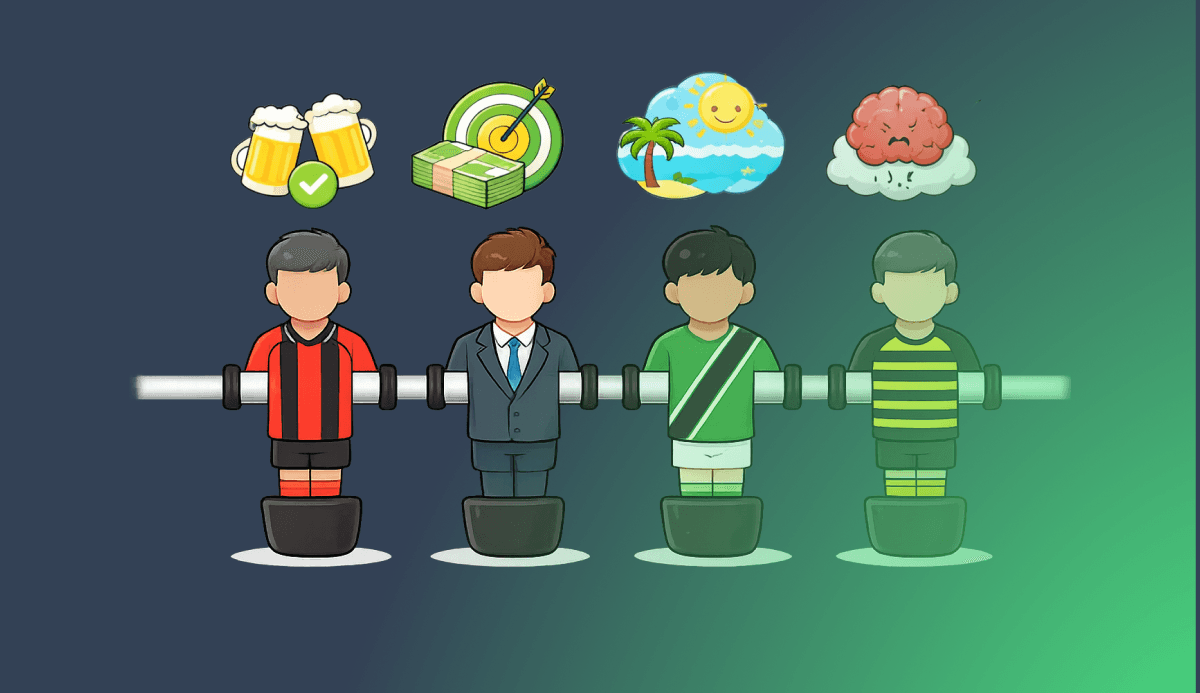
- Social Gamblers: Play occasionally for fun. Gambling does not affect their finances or relationships.
- Serious Gamblers: Gamble regularly and invest time in strategy, but maintain control over time and spending.
- Problem Gamblers: Struggle to control their gambling. It begins to affect work, relationships, or finances.
- Pathological Gamblers: Experience a gambling disorder. Unable to stop despite severe personal consequences. Professional treatment is typically required.
Facts and Statistics About Gambling Addiction
Approximately 0.5% of the UK adult population meets the criteria for problem gambling, with a further 3.8% classified as at-risk gamblers [Source: Gambling Commission Health Survey, accessed 2025-01-15]. These numbers represent real people whose lives are affected by gambling harm.
For a comprehensive look at the data, visit our gambling addiction facts page.
The Impact of Underage Gambling
Young people are particularly vulnerable to gambling harm. Their brains are still developing impulse control, making them more susceptible to addictive behaviours. In the UK, it is illegal for anyone under 18 to gamble.
Parents and guardians can use parental control software to block access to gambling sites. Our guide on underage gambling prevention explains the risks and protective measures in detail.
How to Stop Gambling: A Step-by-Step Recovery Guide
Recovery from problem gambling involves abstinence, structured support, and lasting lifestyle changes. It is a process, not a single event. Professional help significantly improves outcomes.
Our full guide on how to stop gambling and address problem gambling provides an in-depth recovery framework.
Step 1: Acknowledge the Problem
Admitting that gambling has become harmful is the most difficult and most important step. Write down the specific ways gambling has affected your life: finances, relationships, mental health.
Step 2: Remove Temptation
Delete gambling apps. Self-exclude through GamStop or directly with individual operators. Install blocking software on your devices. Hand financial control to a trusted person if needed.
Step 3: Find Support Networks
Join a peer support group like Gamblers Anonymous. Speak to your GP about referrals for cognitive behavioural therapy (CBT), a proven treatment for gambling disorder. Contact a helpline if you need immediate support.
Step 4: Manage Cravings
Cravings are normal during recovery. Replace gambling with alternative activities: exercise, hobbies, social events. Identify your personal gambling triggers (stress, boredom, loneliness) and develop a plan for each one.
Gambling support: If gambling is affecting you or someone you know, contact GamCare or call the National Gambling Helpline: 0808 8020 133, free, confidential, 24/7. You can also reach Gambling Therapy for global online support. 18+. Please gamble responsibly.
Conclusion: Staying in Control for Long-Term Enjoyment
Responsible gambling comes down to three things: knowledge, self-awareness, and using the tools available to you. Understanding how gambling works, recognising the early signs of harm, and setting firm limits are the strongest protections you have.
Help is always available. Whether you need a deposit limit, a self-exclusion, or someone to talk to, the resources listed across this hub are free and confidential.
Gambling should be entertainment, nothing more. We built this hub so you have everything you need in one place. Explore the linked guides above for detailed advice on each topic.